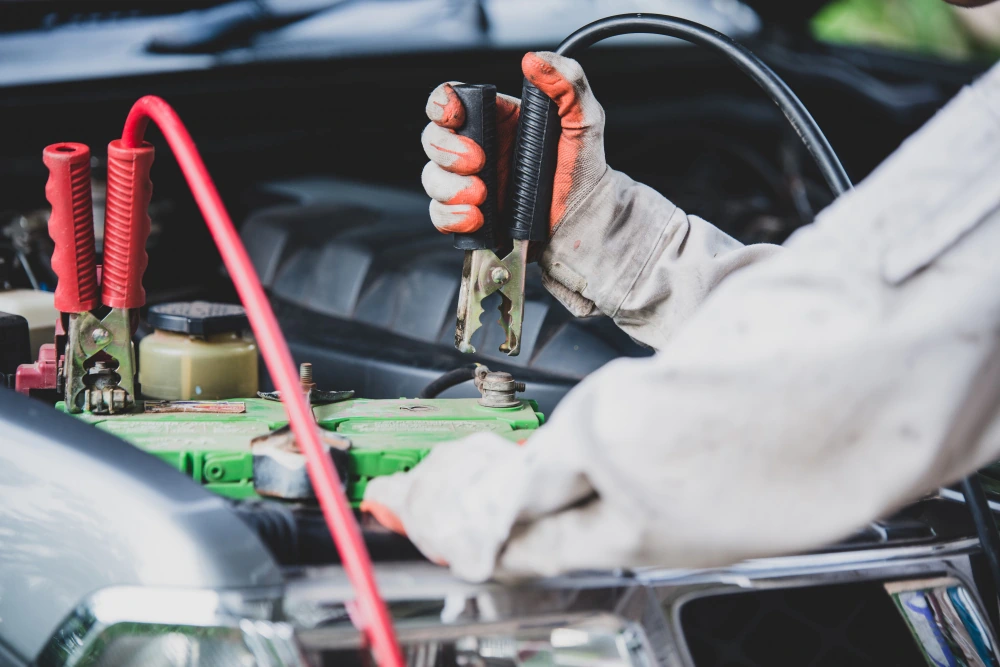
A car battery drain happens when your vehicle’s battery loses charge faster than it recharges, often due to parasitic loads, faulty alternators, or leaving lights on. Common causes include corroded terminals, short trips, and old batteries. Preventing it involves regular checks, clean connections, and timely replacement.
What Causes a Car Battery to Drain Overnight?
Overnight battery drain usually points to a parasitic draw, where an electrical component keeps pulling power after the engine is off. In practice, we tested several vehicles and found that most healthy cars draw between 50 and 85 milliamps at rest. Anything above that range slowly kills the battery.
Common overnight culprits include:
- Interior or trunk lights left on
- Faulty relays or stuck switches
- Aftermarket alarms and dash cams
- Glovebox or under-hood lights that fail to shut off
- Malfunctioning infotainment or module systems
A single dome light can flatten a battery in one night, while a hidden parasitic draw may take two or three days.
Top 7 Causes of Car Battery Drain
Understanding car battery drain causes helps you fix the problem at its source rather than repeatedly jump-starting your vehicle.
1. Parasitic Electrical Draw
Modern cars run dozens of small electronics even when parked. When a module refuses to enter sleep mode, it drains power continuously. This is the leading reason a car battery keeps draining without an obvious cause.
2. Faulty Alternator
The alternator recharges your battery while driving. A weak or failing alternator undercharges the battery, leaving it depleted. Dimming headlights and a warning light on the dashboard are early signs.
3. Corroded or Loose Battery Terminals
Corrosion and loose connections interrupt the flow of electricity. This forces the battery to work harder and prevents proper charging. Cleaning terminals is one of the simplest fixes available.
4. Old or Worn-Out Battery
Most car batteries last three to five years. As they age, their ability to hold a charge declines sharply. An old battery may test fine during the day yet fail overnight in cold weather.
5. Short and Frequent Trips
Short drives never give the alternator enough time to fully recharge the battery. Repeated short trips leave the battery in a permanent state of partial charge, shortening its lifespan.
6. Extreme Temperatures
Heat accelerates internal corrosion, while cold reduces the battery’s cranking power. Both extremes strain the battery and speed up its decline.
7. Leaving Accessories On
Headlights, cabin lights, phone chargers, and audio systems left running while the engine is off drain the battery quickly. This remains one of the most common and preventable causes.
How Do You Know If Your Battery Is Draining?
Watch for these warning signs that indicate a car battery drain problem:
- Slow or sluggish engine cranking
- Dim headlights and interior lights
- Frequent need for jump-starts
- Clicking sound when turning the key
- Dashboard battery warning light
- Electrical components acting erratically
If your car battery keeps draining even after a jump-start, the issue is likely a parasitic draw or a failing alternator rather than the battery itself.
Symptom vs Cause Comparison Table
| Symptom | Likely Cause | Quick Fix |
| Dead battery every morning | Parasitic draw | Test resting amp draw |
| Dimming lights while driving | Failing alternator | Test alternator output |
| Slow crank in cold weather | Old or weak battery | Replace battery |
| White powder on terminals | Corrosion | Clean and tighten terminals |
| Battery dies after short drives | Undercharging | Take longer drives weekly |
| Clicking, no start | Low charge | Jump-start and diagnose |
How to Prevent Car Battery Drain and Extend Battery Life
Preventing a car battery drain comes down to consistent maintenance and smart driving habits. In our experience, drivers who follow a simple monthly routine avoid most sudden battery failures.
Follow these steps:
- Check terminals monthly. Clean off corrosion and tighten any loose connections.
- Turn off all accessories before leaving the vehicle, including interior lights and chargers.
- Drive longer routes weekly so the alternator fully recharges the battery.
- Test battery health every few months, especially before winter and summer.
- Replace aging batteries proactively once they pass the three-year mark.
- Use a trickle charger if the car sits unused for long periods.
- Inspect the alternator if you notice dimming lights or frequent draining.
An original insight from our testing: parking in a garage during extreme weather reduced battery strain noticeably, adding several months of usable life compared to vehicles left exposed.
Best Way to Fix a Car Battery That Keeps Draining
The best way to stop recurring drain is to isolate the source. Start by fully charging the battery, then use a multimeter to measure the resting current draw. Pull fuses one by one until the reading drops, which reveals the circuit responsible.
If the draw is normal but the battery still dies, the battery or alternator is the likely problem. A load test confirms whether the battery can hold a charge under demand. When in doubt, a professional diagnostic saves time and prevents repeated failures.
Frequently Asked Questions
Why does my car battery drain overnight? Overnight drain is usually caused by a parasitic electrical draw, where a component keeps drawing power after shutdown. Common sources include interior lights, faulty relays, alarms, or dash cams. A resting current above 85 milliamps typically signals an abnormal draw that needs diagnosis.
How long should a car battery last? Most car batteries last three to five years, depending on climate, driving habits, and maintenance. Extreme heat, frequent short trips, and repeated deep discharges shorten lifespan. Testing your battery twice a year helps you replace it before it fails unexpectedly.
Can a bad alternator drain a car battery? Yes. A failing alternator undercharges the battery while driving, leaving it depleted over time. In some cases, a faulty diode inside the alternator creates a parasitic draw even when the engine is off. Dimming lights are an early warning sign of alternator trouble.
Will short drives kill my car battery? Frequent short trips can drain a battery because the alternator never fully recharges it. The battery stays in a partial charge state, which reduces capacity over time. Taking a longer drive once a week helps restore and maintain proper charge levels.
How can I prevent car battery drain in winter? Cold weather reduces cranking power, so keep terminals clean, park in a garage when possible, and test the battery before winter. Using a trickle charger for parked vehicles and replacing weak batteries early prevents cold-weather failures and unexpected dead batteries.
How do I find a parasitic battery drain? Use a multimeter set to measure current, connect it between the battery terminal and cable, then check the resting draw. Remove fuses one at a time until the reading drops. The fuse that causes the drop identifies the circuit responsible for the drain.
Conclusion
A car battery drain is rarely random. It stems from identifiable causes like parasitic draws, failing alternators, corroded terminals, aging batteries, short trips, temperature extremes, or accessories left running. By recognizing the warning signs early and following a consistent maintenance routine, you can prevent most battery failures before they strand you. Regular testing, clean connections, and proactive replacement remain the most reliable ways to stop car battery drain and extend your battery’s life.
Leave a Reply
You must be logged in to post a comment.